



From Kamakura to Chaos
In the previous episode, we explored how the samurai rose to power during the Kamakura Period and established Japan's first warrior government.
But becoming rulers was only the beginning.
Over the following centuries, military families competed for power while the authority of the central government gradually weakened. The turning point came in 1467, when political rivalries erupted into the devastating Onin War, leaving much of Kyoto in ruins.
As the influence of the shogunate faded, regional lords known as daimyo began governing their territories independently.
Japan had entered an age of uncertainty, but also an age that would produce some of its greatest legends.
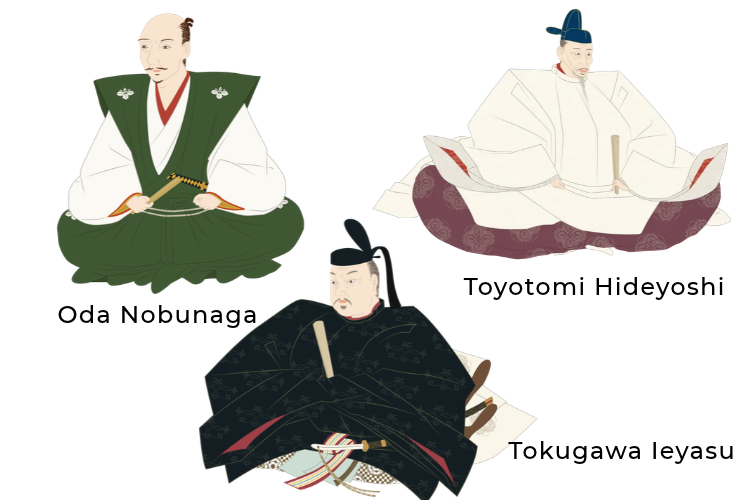
Oda Nobunaga: The Warlord Who Almost Unified Japan
Of all the leaders of the Sengoku Period, Oda Nobunaga may be the most fascinating.
Bold, ambitious, and often ruthless, Nobunaga believed Japan could be united under a single authority. He embraced new military tactics and made effective use of firearms introduced by Portuguese traders, giving his forces a significant advantage over many rivals.
By the early 1580s, the dream of a unified Japan finally seemed within reach.
Then everything changed.
In 1582, Nobunaga was betrayed by one of his own generals, Akechi Mitsuhide, at Honno-ji Temple in Kyoto. Caught completely off guard, he was surrounded and died before he could complete his ambition of unifying the country.
The betrayal shocked Japan.
More than four centuries later, historians still debate why Mitsuhide turned against his master. For many enthusiasts of Japanese history, it remains one of the nation's greatest mysteries.
Toyotomi Hideyoshi: From Humble Origins to National Leader
If Nobunaga's story is dramatic, Hideyoshi's is remarkable.
Unlike most powerful leaders of his era, Toyotomi Hideyoshi was not born into a prominent samurai family. Rising through the ranks under Nobunaga, he combined military talent with exceptional political skill.
After Nobunaga's death, Hideyoshi moved quickly to defeat rivals and continue the work of unifying Japan.
By the 1590s, he had effectively succeeded.
His legacy can still be seen today in one of Japan's most famous landmarks:
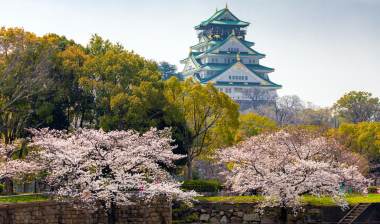
Osaka Castle
Originally built by Hideyoshi, Osaka Castle became a symbol of national unification and political power. While the current structure is a later reconstruction, it remains one of Japan's most beloved historic sites.
For many visitors, it is an excellent introduction to the world of the samurai.
Tokugawa Ieyasu and the Battle That Decided Japan's Future
After Hideyoshi's death, peace proved fragile.
Powerful factions once again competed for influence, and Japan stood on the brink of another major conflict.
Among the contenders was Tokugawa Ieyasu, a leader known not for dramatic victories or charismatic speeches, but for patience, discipline, and long-term strategy.
His moment came in 1600. At a crossroads town called Sekigahara, rival armies gathered for a confrontation that would determine the future of Japan.
The Battle That Changed Japan Forever

On October 21, 1600, roughly 160,000 warriors faced each other on the fields of Sekigahara.
The outcome was far from certain.
For hours, the battle hung in the balance.
Then several commanders switched their allegiance during the fighting, tipping the scales in favor of Tokugawa Ieyasu.
His victory at the Battle of Sekigahara is widely regarded as the most decisive battle in Japanese history.
For many historians, Sekigahara was not simply a battle.
It was the moment when Japan's future was decided.
Had Ieyasu lost, Japanese history might have taken a very different course.
Instead, his victory paved the way for the establishment of the Tokugawa Shogunate, which would bring more than 250 years of relative peace and stability.
Three years later, Ieyasu became shogun.
In many ways, the story of early modern Japan begins at Sekigahara.
The Famous Cuckoo Story
Japanese schoolchildren still learn a famous saying that captures how these three leaders are remembered.
If a cuckoo refuses to sing:
Nobunaga: "Kill it."
Hideyoshi: "Make it sing."
Ieyasu: "Wait for it to sing."
Whether historically accurate or not, the saying reflects the personalities traditionally associated with the three men: Nobunaga's forcefulness, Hideyoshi's resourcefulness, and Ieyasu's patience.

Places to Visit for a Deeper Understanding of Samurai History
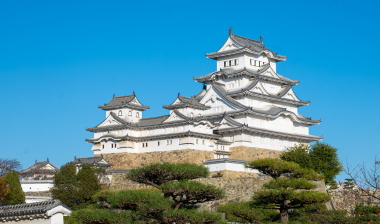
Himeji Castle, Hyogo
Often called Japan's most beautiful castle, Himeji Castle has survived wars, earthquakes, and centuries of change. Its brilliant white exterior has earned it the nickname "White Heron Castle."
A UNESCO World Heritage Site, it is considered the finest surviving example of a Japanese feudal castle.
Osaka Castle, Osaka
Few places are more closely associated with Toyotomi Hideyoshi. The museum inside the castle offers an excellent introduction to the turbulent years that led to Japan's unification.
Sekigahara Battlefield, Gifu
History feels surprisingly real here.
Walking the battlefield, visitors can follow marked routes, visit museums, and stand where rival armies fought on the day that shaped Japan's future.
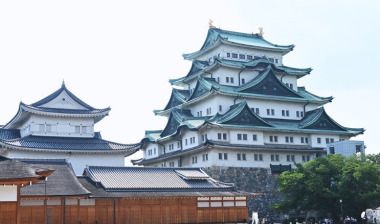
Nagoya Castle, Aichi
Closely connected to Tokugawa Ieyasu and the rise of the Tokugawa family, Nagoya Castle provides valuable insight into the beginning of Japan's long period of peace.
If Shōgun Inspired Your Interest in Japan
The global success of Shōgun introduced many viewers to a world of samurai politics, shifting alliances, and powerful military leaders.
While the story itself is fictionalized, the struggles for power it portrays were very real.
The castles still stand.
The battlefields can still be visited.
And the stories of Nobunaga, Hideyoshi, and Ieyasu remain woven into the fabric of modern Japan.
For travelers hoping to go beyond Kyoto's temples and Tokyo's skyscrapers, exploring Japan's samurai heritage offers an unforgettable journey into the nation's past.
Takeaway
The Sengoku Period was one of the most turbulent chapters in Japanese history, yet it also gave rise to some of the nation's most enduring legends.
From Nobunaga's shocking betrayal and Hideyoshi's extraordinary rise to power, to Ieyasu's decisive victory at Sekigahara, the story of Japan's unification is filled with drama worthy of any modern television series.
Even better, many of the castles, battlefields, and historic sites connected to these events can still be visited today, making this one of the most rewarding historical journeys for travelers to Japan.
FAQ
Why is the Battle of Sekigahara so important?
The Battle of Sekigahara in 1600 determined who would control Japan. Tokugawa Ieyasu's victory led directly to the establishment of the Tokugawa Shogunate and more than 250 years of relative peace.
Who betrayed Oda Nobunaga?
Nobunaga was betrayed by one of his own generals, Akechi Mitsuhide, during the Incident at Honno-ji in Kyoto in 1582.
Was Toyotomi Hideyoshi really born into a humble family?
Yes. Although details of his early life remain debated, Hideyoshi rose from relatively modest origins to become the most powerful ruler in Japan, making him one of the most remarkable figures in Japanese history.
Can I visit a real samurai castle in Japan?
Yes. Several historic castles still survive today, including Himeji Castle, Matsumoto Castle, and Hikone Castle. These sites offer a rare opportunity to experience architecture from Japan's feudal era.
What is the best castle to visit for samurai history?
Himeji Castle is often considered Japan's finest surviving castle, while Osaka Castle is closely associated with Toyotomi Hideyoshi and Japan's unification.
Is Sekigahara worth visiting?
Absolutely. For anyone interested in samurai history, Sekigahara is arguably Japan's most important battlefield and offers museums, monuments, walking routes, and historical exhibits.
Is the Sengoku Period connected to Shōgun?
Yes. While Shōgun is a fictional story, many of its themes, political tensions, and power struggles were inspired by events surrounding the late Sengoku Period and the rise of Tokugawa Ieyasu.
What happened after the Sengoku Period?
After Tokugawa Ieyasu's victory at Sekigahara, Japan entered the Edo Period (1603-1868), a time of relative peace, economic growth, and cultural development that would shape many aspects of Japan that visitors experience today.

.png)

.jpg)
.jpg)