
Leisure Travel
Leisure Travel
Japan Tours
Top
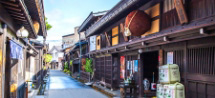
Tailor-Made Tours
Tailored travel experiences designed around your goals, with expert planning, exclusive activities, and unforgettable journeys.
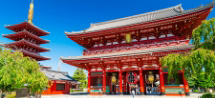
Escorted Tours
Enjoy stress-free travel with our Escorted Tours, offering expert guidance, seamless logistics, and enriching cultural experiences.
Luxury Private Tours
Experience Japan in refined luxury with private travel, exclusive dining, and cultural encounters tailored to your style and purpose.
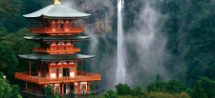
Package Tours
Discover Japan made easy: our Tour Packages combine travel, stays, meals, and sightseeing for an unforgettable trip.

Day Tours
Enhance your Japan trip with optional tours featuring culture, nature, cuisine, and local experiences tailored to your interests.

.jpg)

.jpg)
.jpg)


%20(1)%20(1).jpg)