




From Bodyguards to Power Brokers
During the Heian era, the aristocracy relied on armed men to protect their estates and ensure security in distant provinces. These warriors, originally bodyguards for noble families, gradually formed their own networks, landholdings, and regional power bases. As provincial life became increasingly unstable, the warriors’ practical skills and local influence grew indispensable. The Minamoto and Taira clans rose to national prominence through these shifting dynamics, leading eventually to the dramatic Genpei War that ended aristocratic dominance.
The Shock of Moving Political Power to Kamakura
Perhaps the most revolutionary development of this era was the relocation of real political power from Kyoto to the remote coastal town of Kamakura. For a society accustomed to viewing Kyoto as the unquestioned center of the universe, this shift was astonishing.
Minamoto no Yoritomo’s establishment of the Kamakura shogunate marked the birth of Japan’s first true military government. Instead of aristocratic bloodlines, power now depended on loyalty, military ability, and administrative talent. From Kamakura, the shogunate built a new type of society—grounded in duty, order, and a distinctly samurai worldview.
The Rise of the Samurai Ethos
The samurai were more than warriors; they were land managers, community leaders, and political actors. Their lives were rooted in the principle of “giri” (duty) and the reciprocal nature of “on” (favor)—values that defined the feudal structure of “御恩と奉公(Go'on to Hokou)” (reward and service).
This system emphasized discipline, loyalty, and decisiveness—traits that would later be identified as core elements of the samurai spirit, influencing Japanese identity for centuries.
Zen Buddhism: A Spiritual Counterbalance
As the warrior class confronted constant conflict and uncertainty, many turned to Zen Buddhism, newly transmitted from China. Zen’s focus on meditation, inner clarity, and simplicity resonated deeply with samurai values. The aesthetic ideals that emerged—minimalism, tranquility, natural beauty—shaped:
- rock gardens
- bamboo landscapes
- tea culture
- temple architecture
These Zen-infused principles have become some of the most recognizable aspects of Japanese culture today.
Must-Visit Sites in Kamakura Today

Kamakura’s landscape preserves the spirit of the era:
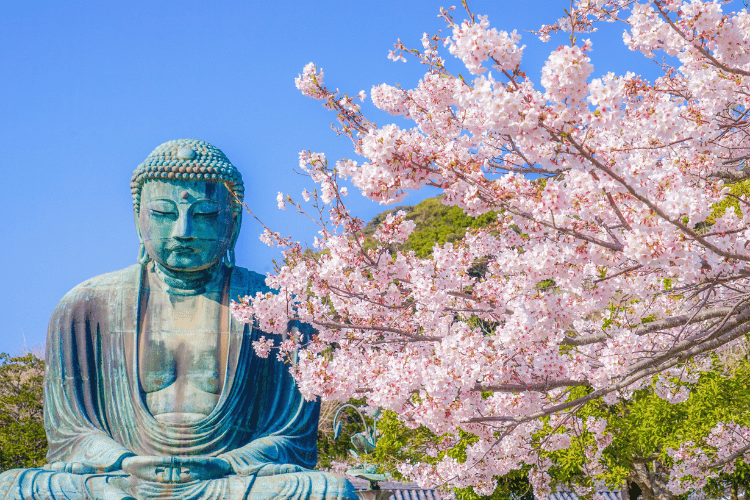
- The Great Buddha (Kamakura Daibutsu) — a 13-meter bronze statue embodying calm strength
- Kencho-ji & Engaku-ji Temples — centers of early Zen practice
- Hokoku-ji’s bamboo grove — a living expression of Zen simplicity
- Tsurugaoka Hachimangu Shrine — the symbolic heart of the samurai government
Visitors will notice a striking contrast: Kamakura’s temples emphasize quiet power and restraint, unlike Kyoto’s ornate courtly beauty.
The Samurai Spirit and Japan’s Sense of “潔さ (Isagiyosa)”
One of the most enduring cultural legacies of the Kamakura period is the ideal of 潔さ, meaning purity, integrity, and emotional clarity.
The samurai valued:
- taking responsibility
- acting decisively
- living honestly and with a clear conscience
This mindset still echoes in modern Japanese behavior—from minimalist design and craftsmanship to social interactions that favor directness, sincerity, and unspoken understanding. Kamakura is one of the best places to sense the origins of these cultural values.
Access from Tokyo & The Value of an Overnight Stay
One reason Kamakura remains beloved today is its convenience. Located about one hour from central Tokyo by train, it is perfect for a day trip. Travelers can easily explore major temples, enjoy coastal scenery, and return to the city in the same day.
However, the magic of Kamakura truly emerges with an overnight stay. In the early morning, temples are silent, paths uncrowded, and the sea calm. The town reveals a contemplative side—allowing visitors to feel the lingering spirituality of the ancient samurai capital.
A 1-night, 2-day visit adds a refreshing contrast to a Tokyo itinerary:
- slower pacing
- nature and sea air
- deeper engagement with Zen culture
- space to reflect
For many travelers, this creates emotional balance and enriches their understanding of Japan.
Takeaway
Before leaving Kamakura, remember:
- The Kamakura era marked a historic political shift from aristocrats to warriors.
- Samurai values—loyalty, discipline, and “潔さ”—shaped Japanese identity.
- Zen Buddhism brought a spiritual and aesthetic transformation.
- Kamakura offers not only sightseeing, but a chance to feel the roots of Japanese culture.
FAQ
How do I get to Kamakura from Tokyo?
By JR train from Shinjuku, Shibuya, or Tokyo Station in about one hour.
Is Kamakura better as a day trip or overnight?
Both work, but staying one night offers a quieter, more immersive experience.
Which temples are best for Zen meditation?
A: Many visitors try meditation at Engaku-ji or Kencho-ji.

.jpg)
.jpg)
%20(1)%20(1).jpg)

.jpg)