



A Time of Peace and Possibility
After decades of warfare, the Tokugawa Shogunate brought a level of stability Japan had not experienced for generations.
Without constant conflict, people could focus on building businesses, creating art, pursuing education, and traveling more freely throughout the country.
Peace created opportunity.
Merchants prospered, towns grew into cities, and cultural life flourished. While samurai remained an important part of society, some of the most significant changes came from ordinary people.
Many historians view the Edo Period as the era that laid the groundwork for Japan's rapid modernization in the nineteenth century.
Edo: The Small Town That Became Tokyo
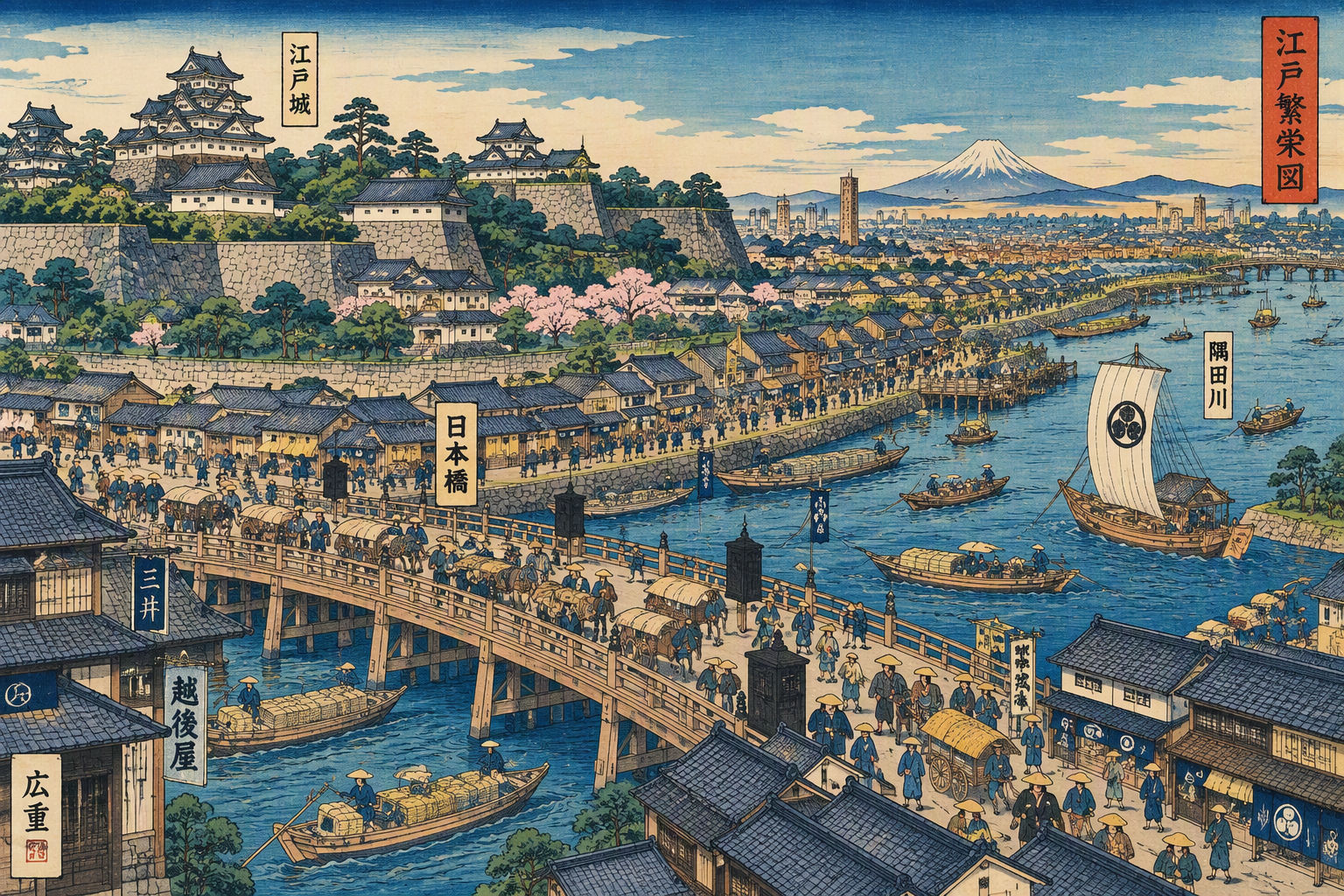
If you've ever stood among the skyscrapers of Tokyo, it may be hard to imagine that the city began as a relatively modest settlement called Edo.
Under Tokugawa rule, Edo grew into one of the largest cities in the world. By the eighteenth century, its population exceeded one million people, putting it among the great urban centers of its age.
Visitors are often surprised to learn that Tokyo was not officially called Tokyo until 1868. For more than 250 years, this bustling metropolis was simply Edo, the seat of the Tokugawa government.
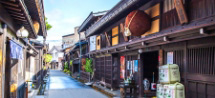
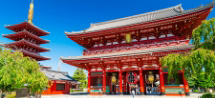
Even today, neighborhoods such as Asakusa and Nihonbashi offer glimpses of the city that existed long before neon lights and skyscrapers transformed the skyline.
Learning Wasn't Just for the Elite
One of the biggest surprises for many visitors is how widespread education became during the Edo Period.
In many parts of the world at the time, literacy remained limited to a relatively small portion of society. Japan followed a somewhat different path.
Local schools known as terakoya taught children reading, writing, arithmetic, and practical skills useful in daily life and business. Samurai attended formal academies, but education increasingly became accessible to merchants and townspeople as well.
As literacy spread, so did opportunity.
People kept business records, exchanged letters, read books, and followed current events. By the late Edo Period, literacy rates in many communities were remarkably high by the standards of the time.
This culture of learning would later help Japan modernize at an astonishing pace during the Meiji Era.

Japan's First Information Boom
An educated population wanted something to read.
Publishers responded with an explosion of books, travel guides, practical manuals, poetry collections, and popular fiction.
People in Edo loved information just as much as people do today.
One fascinating example was the kawaraban, inexpensive printed sheets that reported fires, natural disasters, scandals, celebrity gossip, and breaking news.
Think of them as a combination of tabloid newspapers, online news sites, and social media feeds.
When something unusual happened, people wanted to hear about it immediately. In that sense, the residents of Edo were not very different from today's smartphone users checking the latest headlines.
Long before the digital age, Japan was already developing a vibrant culture of mass communication.

Ukiyo-e: The Edo Period's Version of Mass Media
If you've ever seen The Great Wave off Kanagawa, you've already encountered one of the most famous images in Japanese history.
Created by Katsushika Hokusai, the iconic print has become an international symbol of Japan.
What many visitors do not realize is that Hokusai's masterpiece was not originally intended for museum walls.
It was created for ordinary people.
Affordable and widely available, ukiyo-e woodblock prints featured celebrities, actors, beautiful landscapes, famous travel destinations, seasonal scenes, and snapshots of everyday life. People collected them, displayed them, and shared them much as people enjoy visual media today.
In many ways, ukiyo-e served a role similar to modern magazines, posters, and popular visual entertainment.
While manga and anime emerged much later, many scholars view ukiyo-e as an important predecessor in Japan's rich tradition of visual storytelling.
The next time you browse a manga shop in Tokyo or see colorful anime advertisements across Japan, it is worth remembering that the roots of that visual culture stretch back hundreds of years.


Culture for Everyone
Earlier periods often reserved cultural pursuits for aristocrats and powerful elites.
The Edo Period changed that.
Entertainment increasingly became accessible to ordinary people, creating a vibrant urban culture.
Kabuki Theater
With elaborate costumes, dramatic stories, and unforgettable characters, kabuki became one of the most popular forms of entertainment in Japan.
Sumo Wrestling
Although sumo's origins are much older, the sport flourished during the Edo Period and evolved into the national pastime visitors can still experience today.

Festivals and Seasonal Traditions
Many local festivals that continue to bring communities together across Japan expanded during this era.
For the first time in Japanese history, culture became something enjoyed on a massive scale by the public.
The Birth of Modern Japanese Food Culture
Many foods travelers associate with Japan became everyday favorites during the Edo Period.
Sushi
Today, sushi is often associated with fine dining, but its origins were far more casual.
Early Edo-style sushi was sold from street stalls to busy city residents looking for a quick meal. In many ways, it was the fast food of its day.

Tempura
Crispy, flavorful, and easy to eat, tempura became popular among townspeople and remains a favorite today.
Soba Noodles
Affordable and satisfying, soba shops became gathering places throughout the city.
Understanding this history often changes how travelers see Japanese food. Many dishes now celebrated around the world began as everyday meals enjoyed by ordinary people.
Japan's First Tourism Boom
Travel became increasingly popular during the Edo Period.
Improved roads connected regions that had once felt far apart, encouraging both practical and recreational journeys.
The most famous route was the Tokaido Road, which linked Edo and Kyoto.
Along the way, travelers stayed in inns, sampled local specialties, visited shrines and temples, and admired famous landscapes.
Sound familiar?
In many ways, the foundations of modern tourism were already taking shape.
Guidebooks became popular. Souvenirs were widely available. Famous destinations developed reputations that attracted visitors from across the country.
Places such as Hakone, Kyoto, and Ise had already become celebrated travel destinations centuries before modern tourism emerged.
In a sense, many of today's travelers are following routes that Edo-period visitors helped make famous.
Surprisingly Sustainable
Visitors are often surprised to learn that Edo was not only one of the world's largest cities, but also one of its most resourceful.
A thriving recycling economy developed out of necessity.
Paper, clothing, tools, and household goods were repaired, reused, and resold rather than discarded. Specialist tradespeople made a living fixing items that might simply be thrown away today.
Even human waste was collected and sold as agricultural fertilizer, creating a highly efficient cycle connecting city and countryside.
While Edo did not have a modern sewer system, its sanitation and recycling practices were remarkably advanced for their time.
Many of the values associated with modern Japan, including cleanliness, efficiency, and minimizing waste, have surprisingly deep historical roots.
Places Where You Can Experience the Edo Period Today
Asakusa, Tokyo
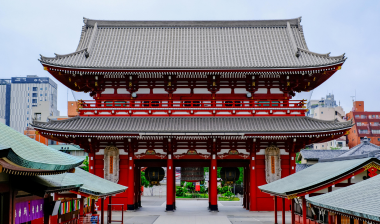
With its traditional shopping streets and the historic Senso-ji Temple, Asakusa remains one of the best places to experience the atmosphere of old Edo.
Nihonbashi, Tokyo
Once the commercial heart of Edo, Nihonbashi served as the starting point of Japan's major highways. It remains an important symbol of Tokyo's history.
Ryogoku, Tokyo
The center of Japan's sumo world and a perfect place to explore a sporting tradition that thrived during the Edo Period.
Kawagoe, Saitama
Often called "Little Edo," Kawagoe offers one of the easiest opportunities to imagine daily life in an Edo-period merchant town.

Nikko, Tochigi
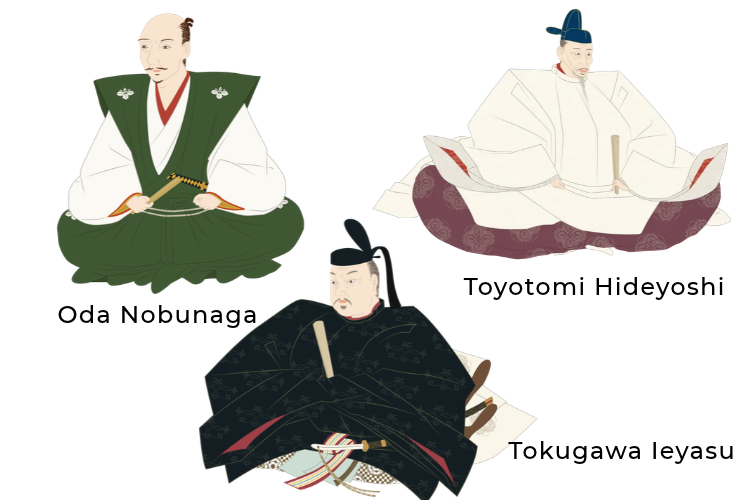
Home to the magnificent Toshogu Shrine, where Tokugawa Ieyasu is enshrined.

Hakone
A famous stop along the old Tokaido Road, Hakone continues to attract visitors with its hot springs, historic atmosphere, and spectacular views of Mount Fuji.

Why the Edo Period Still Matters
Many travelers come to Japan looking for samurai castles, ancient temples, or futuristic cityscapes.
What they often discover is that much of what makes Japan feel uniquely Japanese emerged during the Edo Period.
The culture of learning.
The love of travel.
The growth of great cities.
The popularity of publishing.
The worlds of ukiyo-e, kabuki, and sumo.
Even iconic foods such as sushi have roots in these centuries of peace.
The Sengoku Period united Japan through warfare.
The Edo Period transformed that peace into education, commerce, creativity, and culture.
Takeaway
The Edo Period was far more than an age of shoguns and samurai.
It was the era in which many of the foundations of modern Japan were established.
A highly educated society, vibrant cities, popular entertainment, thriving publishing, famous artistic traditions, and a growing travel culture all flourished during these centuries.
For travelers, understanding the Edo Period helps explain not only Japan's past but also the Japan they experience today.
So the next time you stroll through Asakusa, enjoy sushi in Tokyo, admire Hokusai's Great Wave, watch a sumo match, or travel along part of the old Tokaido route, remember that you're not just seeing modern Japan.
You're experiencing the enduring legacy of Edo.
FAQ
Was Tokyo really called Edo?
Yes. The city was known as Edo until 1868, when it became the imperial capital and was renamed Tokyo, meaning "Eastern Capital."
Why was education so important during the Edo Period?
Schools known as terakoya helped spread literacy and practical skills beyond the samurai class. This created a culture that valued learning and helped prepare Japan for rapid modernization in the nineteenth century.
What was a kawaraban?
A kawaraban was an inexpensive printed news sheet that reported major events, disasters, scandals, and popular stories. It is often considered one of Japan's earliest forms of mass media.
Is ukiyo-e connected to manga and anime?
Not directly, but many scholars consider ukiyo-e an important predecessor to Japan's visual storytelling traditions. Both rely heavily on images to communicate stories and ideas to broad audiences.
Did people travel for pleasure during the Edo Period?
Absolutely. Pilgrimages, sightseeing trips, and journeys along routes such as the Tokaido became increasingly popular, helping to create a travel culture that continues in Japan today.
Was sushi always a luxury food?
No. Early Edo-style sushi was originally sold as quick, convenient street food for busy urban residents.
Was Edo really a clean city?
For its time, yes. Extensive recycling networks, waste collection systems, and fertilizer reuse helped make Edo one of the more efficient and sanitary large cities of its era.
Where can visitors experience Edo culture today?
Excellent places include Asakusa, Nihonbashi, Ryogoku, Kawagoe, Nikko, and Hakone, all of which preserve important connections to the Edo Period.
What happened after the Edo Period?
In 1868, the Tokugawa Shogunate came to an end, and Japan entered the Meiji Era, a time of rapid modernization and international engagement. Many of the foundations that made that transformation possible, however, were built during the Edo Period.

.jpg)
.jpg)