


A Peaceful Nation Faces a New World

For more than 250 years, Japan had enjoyed relative peace under the Tokugawa Shogunate.
That stability was challenged in 1853, when Commodore Matthew Perry arrived with steam-powered American warships.
To many Japanese observers, the arrival of the "Black Ships" was a powerful reminder that the world beyond Japan had changed dramatically.
The question was no longer whether Japan should respond.
It was how.
Traveler's Connection
Modern Yokohama still preserves sites connected to Japan's first encounters with the modern international world.
The Fall of the Samurai Government
The arrival of foreign powers intensified domestic political tensions.
Many believed the Tokugawa government could no longer meet the challenges facing the country.
Powerful domains such as Satsuma and Choshu emerged as leaders of reform.
In 1868, the Tokugawa Shogunate ended, and political authority was formally restored to the emperor.
The Meiji Era had begun.
The Young Emperor and a Bold Vision
The new government ruled in the name of Emperor Meiji.
Its leaders shared an ambitious goal:
Learn from the world.
Strengthen Japan.
Build a modern nation.
Government officials traveled abroad to study education, transportation, industry, military systems, and political institutions.
Rather than simply copying other countries, Japan selected ideas it believed would work best within its own society.
This ability to combine outside influences with Japanese traditions remains one of the country's defining characteristics.
Japan Goes Out into the World
Learning from the World

Opening Japan to the world was not only about welcoming foreign ideas.
It was also about sending Japanese people abroad.
One of the most famous examples was the Iwakura Mission (1871–1873).
Government officials and students spent nearly two years traveling through the United States and Europe, studying schools, factories, railroads, industries, and government institutions.
They carefully examined what made these countries successful and returned with ideas that would influence Japan's modernization.
For the first time in centuries, large numbers of Japanese were experiencing life beyond their own country.
The First Japanese Immigrants to America
The Meiji Era also marked the beginning of significant Japanese migration overseas.
Many people traveled to Hawaii and the mainland United States in search of opportunity.
Communities established during this period would eventually grow into the Japanese American communities that still thrive today.
For readers in California or Hawaii, this chapter of history may feel surprisingly familiar.
The connections between Japan and the United States did not begin after World War II.
They began during the Meiji Era.
Did You Know?
Many Japanese American families can trace their roots to immigrants who arrived during the late nineteenth century.
The End of the Samurai
For travelers fascinated by samurai history, this may be one of the most surprising chapters.
During the Meiji Era:
- Samurai stipends were abolished
- Public sword carrying was restricted
- A national conscript army was created
The samurai class gradually disappeared.
Some adapted successfully to the new era.
Others resisted.
The most famous resistance came during the Satsuma Rebellion of 1877, led by Saigo Takamori.
Often called "the last samurai," Saigo remains one of Japan's most admired historical figures.
Traveler's Tip
Visitors to Kagoshima can explore museums and historic sites connected to Saigo Takamori and the final years of the samurai.
The Railway Revolution

Nothing symbolized the new age more clearly than the railroad.
In 1872, Japan's first railway connected Shinbashi and Yokohama.
For a nation accustomed to travel on foot, horseback, or coastal ships, the change was revolutionary.
Rail networks expanded rapidly across the country.
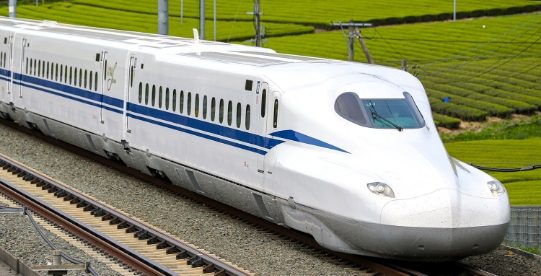
For travelers who enjoy Japan's Shinkansen today, this is where the story begins.
Did You Know?
Many people pass through Shinbashi Station without realizing that the district played a central role in Japan's railway history.
Building a Modern Nation

Modernization went far beyond transportation.
The Meiji government introduced sweeping reforms that transformed daily life.
Education for All
A nationwide education system expanded access to schooling.
Modern Communications
Postal networks and telegraphs accelerated communication.
Newspapers and Publishing
Information spread faster than ever before.
Industry and Manufacturing
Factories, shipyards, and railways fueled rapid economic growth.
Within a few decades, Japan had emerged as one of Asia's leading industrial powers.
Tokyo Is Born
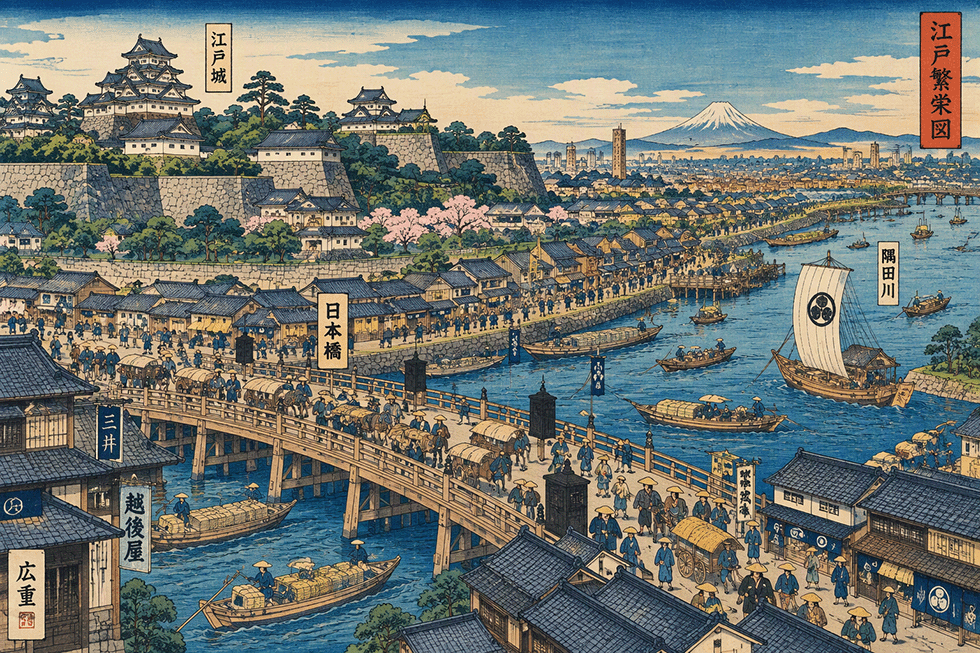
During the Edo Period, Japan's largest city was known as Edo.
Following the Meiji Restoration, it became Tokyo, meaning "Eastern Capital."
The city evolved rapidly.
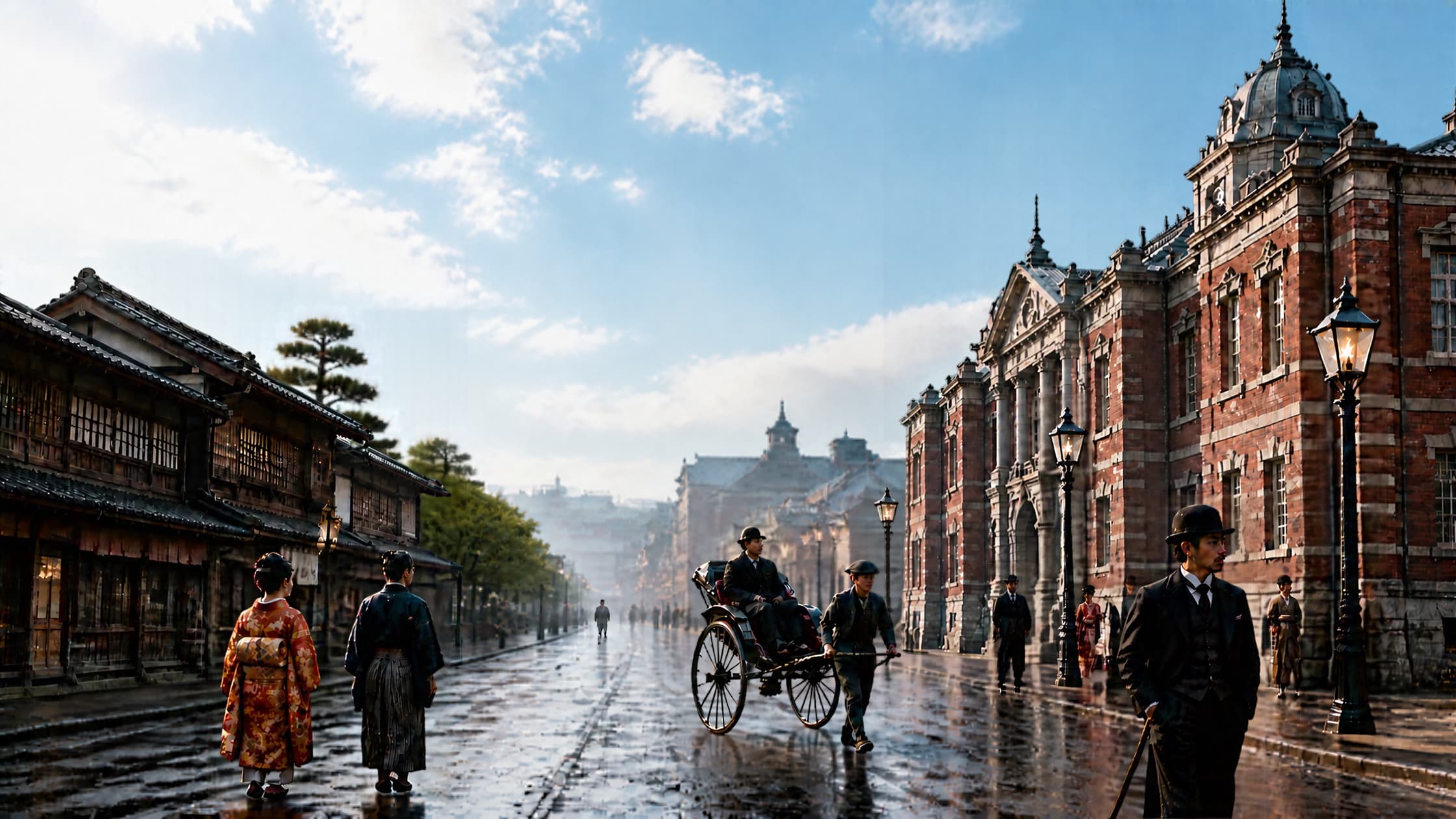
Western-style government buildings appeared alongside traditional neighborhoods.
Gas lamps illuminated streets.
Railway stations connected growing districts.
Modern Tokyo was taking shape.
Visitors today can still find traces of both worlds within the same city.
Old Traditions, New Ideas
One reason travelers find Japan so fascinating is its ability to blend tradition with innovation.
The Meiji Era did not erase Japan's past.
Temples remained active.
Traditional craftsmanship continued.
Seasonal festivals endured.
At the same time, railroads, factories, and modern institutions reshaped society.
That balance between old and new continues to define Japan today.
A visitor can ride a bullet train in the morning, visit a centuries-old temple in the afternoon, and experience traditions rooted in the Edo Period that evening.
The foundations of that uniquely Japanese balance were laid during the Meiji Era.
Places to Experience the Meiji Era Today
Yokohama, Kanagawa
The gateway through which Japan opened to the world.
Shinbashi, Tokyo
The birthplace of Japan's railway age.
Kagoshima
Closely linked to Saigo Takamori and the final years of the samurai.
Hagi, Yamaguchi
Birthplace of many leaders of the Meiji Restoration.
Nagasaki
One of Japan's earliest windows to the outside world.
Why the Meiji Restoration Still Matters
Visitors often wonder how Japan became a country where centuries-old temples coexist with bullet trains and advanced technology.
The answer lies largely in the Meiji Era.
Japan did not simply copy the West.
Instead, it studied the world, adapted useful ideas, and blended them with existing traditions.
The result was a uniquely Japanese path to modernization.
Takeaway
The Edo Period created the foundations of modern Japan.
The Meiji Era transformed those foundations into a modern nation connected to the wider world.
Railways, modern education, international exchange, industry, and overseas migration all accelerated during this period.
Yet throughout these dramatic changes, Japan retained many of the traditions that continue to attract travelers today.
Understanding the Meiji Era helps explain one of Japan's greatest strengths:
its ability to embrace change without losing its identity.
FAQ
What was the Meiji Restoration?
The Meiji Restoration was the political transformation that began in 1868 and ended more than 250 years of rule by the Tokugawa Shogunate. It marked the beginning of Japan's rapid modernization.
Why did Japan open to the world?
The arrival of Commodore Perry and his steam-powered warships in 1853 convinced many Japanese leaders that the country needed to modernize and engage with the wider world.
What happened to the samurai?
The samurai class was gradually abolished during the Meiji Era as Japan created a modern military and government system. Many former samurai became government officials, teachers, military officers, and business leaders.
What was the Iwakura Mission?
The Iwakura Mission (1871-1873) sent Japanese leaders and students to the United States and Europe to study modern education, industry, transportation, and government systems. Their findings helped shape Japan's modernization.
When did Japanese immigrants first arrive in the United States?
Large-scale Japanese immigration to Hawaii and the mainland United States began during the Meiji Era. Many Japanese American families can trace their roots to this period.
Where can travelers experience the Meiji Era today?
Excellent places to explore include Yokohama, Shinbashi, Kagoshima, Hagi, Nagasaki, and Glover Garden, all of which played important roles in Japan's modernization.